We are NOT authorized by Govt of India for Yellow Fever Vaccination

Sunday, January 31, 2016

What is ZIKA and should I be worried in India?

Symptoms

  • About 1 in 5 people infected with Zika virus become ill (i.e., develop Zika).
  • The most common symptoms of Zika are fever, rash, joint pain, or conjunctivitis (red eyes). Other common symptoms include muscle pain and headache. The incubation period (the time from exposure to symptoms) for Zika virus disease is not known, but is likely to be a few days to a week.
  • The illness is usually mild with symptoms lasting for several days to a week.
  • Zika virus usually remains in the blood of an infected person for a few days but it can be found longer in some people.
  • Severe disease requiring hospitalization is uncommon.
  • Deaths are rare.

Diagnosis

  • The symptoms of Zika are similar to those of dengue and chikungunya, diseases spread through the same mosquitoes that transmit Zika.
  • See your healthcare provider if you develop the symptoms described above and have visited an area where Zika is found.
  • If you have recently traveled, tell your healthcare provider when and where you traveled.
  • Your healthcare provider may order blood tests to look for Zika or other similar viruses like dengue or chikungunya.

Treatment

  • No vaccine or medications are available to prevent or treat Zika infections.
  • Treat the symptoms:
    • Get plenty of rest.
    • Drink fluids to prevent dehydration.
    • Take medicine such as acetaminophen to relieve fever and pain.
    • Do not take aspirin and other non-steroidal anti-inflammatory drugs (NSAIDs), like ibuprofen and naproxen. Aspirin and NSAIDs should be avoided until dengue can be ruled out to reduce the risk of hemorrhage (bleeding). If you are taking medicine for another medical condition, talk to your healthcare provider before taking additional medication.
  • If you have Zika, prevent mosquito bites[PDF - 2 pages] for the first week of your illness.
    • During the first week of infection, Zika virus can be found in the blood and passed from an infected person to another mosquito through mosquito bites.
    • An infected mosquito can then spread the virus to other people.
Here is what India is doing about the virus as of Jan 2016

After swine flu and Ebola, a lesser-known-Zika virus is the new global threat that has put many countries on alert. With international experts raising concerns over its possible spread being similar to dengue and chikungunya, the Union health ministry has called health experts from the National Vector Borne Disease Control Program-me and National Centre for Disease Control to closely follow the trend so as to keep the virus at bay.
“The virus is posing threat to all the countries around the world. While, as of now, there is no case that has been reported from India. We are examining the reports. The matter will be taken up with public health experts on Monday after which we will indicate our appropriate response,” said a senior official in the health ministry.
So far, the outbreaks of Zika virus — in which babies are born with unusually small heads — have been reported in central and south America. Locally transmitted (autochthonous) cases of Zika have been detected in Colombia, El Salvador, Guatemala, Mexico, Paraguay, Puerto Rico, and Venezuela. Zika virus is an emerging mosquito-borne arbovirus that was first isolated from a rhesus monkey in Uganda in 1947, and caused sporadic human infections in some African and Asian countries, with usually mild symptoms of fever, rash, and arthralgia. In 2007, it caused an epidemic on Yap Island in the Federated States of Micronesia, then spread to many countries in Oceania, before arriving in the Americas in 2014-15, probably via Easter Island.
With an estimated 4,40,000-1,30,0000 cases currently in Brazil alone, “Zika virus could be following in the footsteps of dengue and chikungunya, which are also transmitted by the Aedes aegypti mosquito. Given that an outbreak anywhere is potentially a threat everywhere, now is the time to step up all efforts to prevent, detect, and respond to Zika virus,” said the Lancet. So far, the Phylogenetic analyses show that the strains of Suriname belong to the Asian genotype, and are closely related to the strain that was circulating in French Polynesia in 2013. Last month, the ministry of health in Brazil reported a twenty-fold annual increase in cases of newborn babies with microcephaly in the northeastern region of the country. While a causal link between Zika virus in the mother and microcephaly in the newborn baby is yet to be firmly established.
Other congenital neurological anomalies and an increased frequency of Guillain-Barré syndrome linked to Zika virus have also been reported.

Friday, January 29, 2016

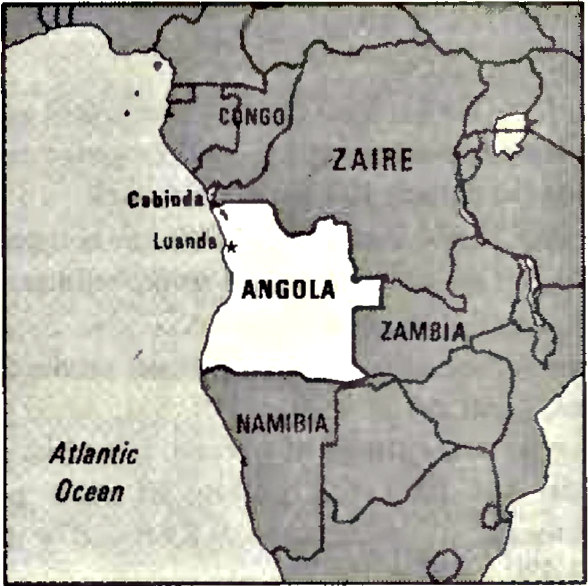
Angola: Yellow fever kills seven people - Jan 2016

Luanda - The Health minister, José Van-Dunem, reported on Wednesday in Luanda that it was recorded 23 cases of yellow fever that resulted in seven deaths of Eritrean and Congolese citizens Zango I ward in Viana municipality.

According to the official, who was speaking at a press conference, the 16 survivors, 13 were discharged and three are given special care. Among the victims, 22 are men and one is a woman, aged between 20 and 46 years old.
He said that the first case of yellow fever was recorded on 5 December 2015 by a citizen of Eritrea.
To detect hemorrhagic fever that affects the citizens of Viana, Jose Van-Dunem recalled that the Ministry of Health had sent three samples in South Africa and found that it was yellow fever, but still he stressed, it is awaited the final result of the tests sent to the laboratory of Dakar, Senegal, by the World Health Organization (WHO).
He assured that after the final result, the Ministry of Health will hold vaccination campaign in Viana, targeting firstly children, pregnant women, health professionals and finally the population in general.
The official explained that yellow fever is a viral disease transmitted by mosquitoes that causes fever, muscle aches, loss of appetite, nausea and may lead to death.
This disease can expand nationally, if Measures must be taken to prevent and combat this disease so as to avoid its expansion nationwide.
The southern African nation of Angola has reported some 23 cases of yellow fever that resulted in seven deaths in Viana municipality, according to local media Friday.
Angola Image/CIA
Angola
Image/CIA
Health minister, José Van-Dunem said during a press conference in Luanda that the first case was reported on 5 December 2015 in a Eritrea citizen. In addition, cases have been reported in Congolese citizens.
In all, Van-Dunem said of the 16 survivors, 13 were discharged and three are given special care. Among the victims, 22 are men and one is a woman, aged between 20 and 46 years old.
According to the US Centers for Disease Control and Prevention, Yellow fever virus is found in tropical and subtropical areas in South America and Africa. The virus is transmitted to people by the bite of an infected mosquito.
The majority of persons infected with yellow fever virus have no illness or only mild illness. In persons who develop symptoms, the incubation period (time from infection until illness) is typically 3–6 days. The initial symptoms include sudden onset of fever, chills, severe headache, back pain, general body aches, nausea, and vomiting, fatigue, and weakness. Most persons improve after the initial presentation.
After a brief remission of hours to a day, roughly 15% of cases progress to develop a more severe form of the disease. The severe form is characterized by high fever, jaundice, bleeding, and eventually shock and failure of multiple organs.
There is no specific treatment for yellow fever; care is based on symptoms. Steps to prevent yellow fever virus infection include using insect repellent, wearing protective clothing, and getting vaccinated.

Friday, January 22, 2016

Online tools can help Doctors aid patients travelling abroad

Source
Despite the fact that more than 1 billion people travel internationally, few American adults are up-to-date on their recommended vaccinations.
According to the Centers for Disease Control and Prevention (CDC), adult vaccination rates remain low. In 2013, pneumococcal vaccination coverage was just 21.2% for adults aged 19 to 64; tetanus vaccinations were 62.9% in adults aged 19 to 49, 64% in adults aged 50 to 64, and 56.4% in adults over age 64; full Tdap coverage was 17.2%; hepatitis A coverage was 9% for adults overall; hepatitis B was 25%; and herpes zoster coverage to prevent shingles was 24.2%. Additionally, HPV coverage was 36.9% in women aged 19 to 26.
In a new report in the Journal of the American Medical Association, public health experts recommend travelers visit their physician four weeks to six weeks before planned international travel to make sure they have up-to-date vaccinations. Routine vaccinations like those listed above should certainly be up-to-date, but other vaccinations than might not normally be needed in the United States might be added depending on the individual’s travel plans.
Physicians should be sure to question patients planning international travel about their destination, and review possible health and outbreak warnings for that area. For example, yellow fever is an acute haemorrhagic disease endemic in areas of Africa and Latin America that kills about half of the people it infects. Vaccination against yellow fever is highly effective and lasts for life, but must be given 10 to 30 days before travel.
The World Health Organization (WHO) maintains a database that can be searched by country that details the prevalence of vaccine-preventable conditions across the globe.

Dr Nimako: What to know about Meningitis & Yellow Fever - The Ghana Experience

Health news in Ghana over the past 2 weeks has been dominated by the outbreak of meningitis in the Brong-Ahafo Region and Yellow fever in the Northern Region. Both diseases are of high public health importance and we all need to understand them well, in order to be able to better protect ourselves and to allay unnecessary fear and panic.
Here is a briefing about the two diseases.
Meningitis
Meningitis simply means inflammation of the membranes covering the brain and spinal cord (the meninges). This inflammation is usually due to bacterial or viral infections, but may also result from parasitic infections and non-infectious agents like irritation from blood and cancer cells.
In the context of an outbreak, meningitis refers to a bacterial infection of the meninges.
There are many types of bacterial infections that can cause meningitis outbreaks: Neisseria meningitides, which is highly infectious is the major cause of outbreaks, but in adolescents Pneumococcus, which is not as infectious, is a common culprit, like we are seeing in the current outbreak. The term Cerebrospinal meningitis (CSM) is a term reserved for meningitis caused by Neisseria meningitides.
Meningitis is mainly transmitted through the inhalation of respiratory droplets (from e.g. sneezing or coughing) from an infected individual (NB: infected individuals do not necessarily show symptoms; some are silent carriers).
The classic triad of symptoms is fever, severe headache and neck stiffness. Other symptoms are nausea, vomiting and photophobia (intolerance of bright light). Seizures, irritability, confusion and coma may also occur. Complications like kidney failure and bleeding disorders may occur in severe cases. Survivors of severe disease may end up with permanent disability like blindness, hearing impairment and mental retardation.
Diagnosis is through the laboratory analysis of a sample of spinal fluid tapped from the lower back, a procedure referred to as a lumbar puncture.
Bacterial meningitis is fatal without treatment. A delay in initiating treatment worsens the prognosis. Treatment involves the administration of appropriate antibiotics and supportive therapy as necessary.
Vaccination is a potent way to prevent severe infections. The immunization schedule of children in Ghana include vaccination against some of the organisms that cause meningitis. Immunization drives are also organized periodically for vulnerable populations to ensure they are protected, as happened in 2012 in Northern Ghana. There are also vaccines that are deployed during outbreaks with particular strains of Neisseria meningitides to protect individuals in the outbreak zone; this current outbreak is not one such.
Prevention also involves avoiding crowded places, hand hygiene (washing hands regularly and using hand sanitizers) and covering the nose and mouth when coughing or sneezing.
Outbreaks of diseases may occur from time to time, but once we are aware of how to protect ourselves, such outbreaks should not cause much havoc. The ministry of health and its agencies are doing their best to contain the situation; let’s do our bit to stay safe.
Yellow fever
Yellow fever is a viral infection of humans. It derives its name from the yellowing of skin and eyes (jaundice) that occurs late in the disease, when it causes liver damage.
It is transmitted through the bite of an infected female Aedes aegypti mosquito (in most cases), which is different from the Anopheles mosquito that causes Malaria.
In Ghana and other African countries, yellow fever typically occurs in epidemic form.
The outbreaks usually occur in urban settlements near forest areas, since the organism maintains its life in forest primates like monkeys. When an infected primate is bitten by a mosquito and that same mosquito bites man, an outbreak can occur, with the virus spreading from person to person through the bite of the female Aedes aegypti mosquito. This mosquito– unlike the malaria-causing Anopheles mosquito which bites at night– bites in the mornings and early evenings.
The initial (acute) symptoms are fever, chills, muscle aches, headaches, loss of appetite, nausea and vomiting. These symptoms are common to many other infections and this non-specificity in symptomatology makes disease difficult to diagnose in the early stages. This acute phase typically lasts a few days (about 4 days) and resolves spontaneously without complications. This is the case for most of the infections.
About 15 percent of cases will progress to a toxic phase where the virus affects the liver, causing liver damage and resultant jaundice and bleeding- from any orifice. This results in multiple organ failure in about 20% of such severe cases, eventually leading to death.
Treatment is purely supportive- that is, medical personnel manage the symptoms as they arise and allow the infection time to “blow over”. Such supportive therapy may include antipyretics for fever, fluids for dehydration, analgesics for bodily pains and blood transfusions as necessary. There is no cure and prevention is thus very important.
“Vaccination is the most important preventive measure against yellow fever. The vaccine is safe, affordable and highly effective, and a single dose of yellow fever vaccine is sufficient to confer sustained immunity and life-long protection against yellow fever disease and a booster dose of yellow fever vaccine is not needed.” (WHO, March, 2014). The earliest age for vaccination is 9 months.
Survivors of the infection also have lifelong protection from the disease.
Preventing mosquito bites, by wearing protective clothing when outdoors in forest regions, using mosquito repellants and sleeping in insecticide-treated mosquito nets is also important in preventing infection in the non-vaccinated population.
–
By: K.T. Nimako (MB ChB)

Dr. Kojo Nimako is a private medical practitioner with an interest in public health, and Citi FM’s Chief Medical Correspondent. He is also the editor of healthbloggh.com and the Executive Director of Helping Hand Medical Outreach, an NGO focused on health education.
Follow on Twitter: @KTNimako
Send an e-mail: kojotwumnimako@gmail.com
- See more at: http://citifmonline.com/2016/01/22/dr-nimako-what-to-know-about-meningitis/#sthash.IgYNFpUw.dpuf